Musical Monday, featuring Philip Glass.
Philip Glass – Movement II.

Philip Glass – Movement II.


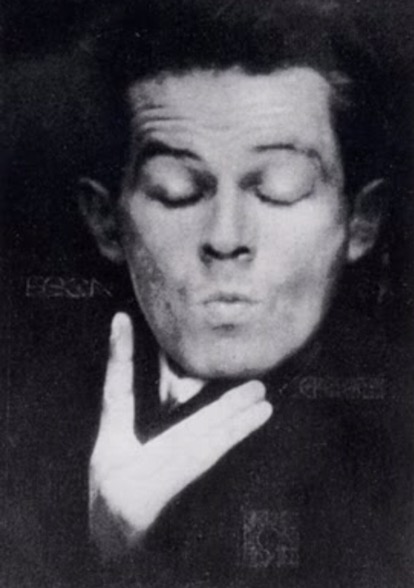
Nude with Blue Stockings, Bending Forward: 1912.





Originally posted on 12-11-13, this piece depicts the destructive and regenerative powers of earth, implying that beauty and strength can be found in all situations.
Earth, for all its beauty, is intent on its
own sustained destruction.
home grown demolition, fierce and consistent
and severe.
whirling winds and pulverizing plate shifts;
barbaric waves and the terrifically brutal spew of molten
agony
painting the landscape like a spirited artist with a palette of
hot orange,
black billowing smoke,
and fire.
the earth is angry-
that’s just one point of view-
a living mass of bound and shackled energy
bursting within
itself in a magma soaked rage,
the personification of angst and frustration with
no outlet but fury,
the elements of its true core still a mystery-
organically sustained destruction,
yet still fulfilling a predetermined purpose.
for each disaster, there are a thousand
seeds in bloom-
for each reaving of the landscape, there
are innumerable discoveries in waiting,
each exit creating a new beginning.
there is no end to its regeneration-
earth-
the great tortured soul,
the original self-immolator,
the flagellator of the ages,
concealing its guts with such a beautiful
mask-
stoned relentlessly for eons,
battered by its own children,
a lone voice among silent brothers,
eloquently patching over the steaming turmoil
boiling underneath-
earth-
take notes in her symbols-
But where is hope, then?
in the bowels of the sea,
in the claustrophobic canals worming through
the core,
in the depth of the blue above,
each revealing signs of perseverance,
adaptation,
evolution,
and the ability to overcome-
take notes in her symbols-
in the wooden arms and rustling
fingers of the winter trees,
pointing the way to heaven for those whose
eyes have been downcast too long-
for those who’ve forgotten which way to
look-
but again, that’s just one point of view*
-G. Boston

Have you ever seen a movie six thousand times, but only gotten half a whiff of the real depth of that movie after the most recent viewing? Case in point; I’ve seen Joe Versus the Volcano at least 30 times since 1990, but only recently came to understand the immense truths contained within it. The film was always on in the background, and I’d often half ass watched it without really seeing it for what it was. The realization and understanding came slowly; a little bit here, a little bit there, until one day I said “fuck it” and sat down and really watched the film again for the first time. I took it all in with a renewed sense of awareness, and a considerably open mind. I dissected it. Don’t get me wrong, I’d enjoyed the movie time and again previously, but I’d only just seen the surface of it. And in truth, I was sincerely blown away. For all of its cheese, the movie was an acutely effective, multi-layered glimpse into a man’s thirst for knowledge, meaning, purpose, and self discovery. Looking beyond some of the dated, clunky 90’s camp, it’s quite a deeply rendered portrait of the journey that we all endure in order to accomplish whatever it is we want to accomplish with our lives. It is a great little tale about overcoming obstacles, standing up for your beliefs, and never giving up. Who can’t relate to that, right? And if you’ve ever hated your job, the “I quit” scene below is a revelation.
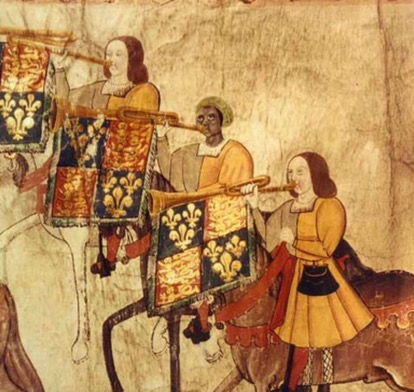
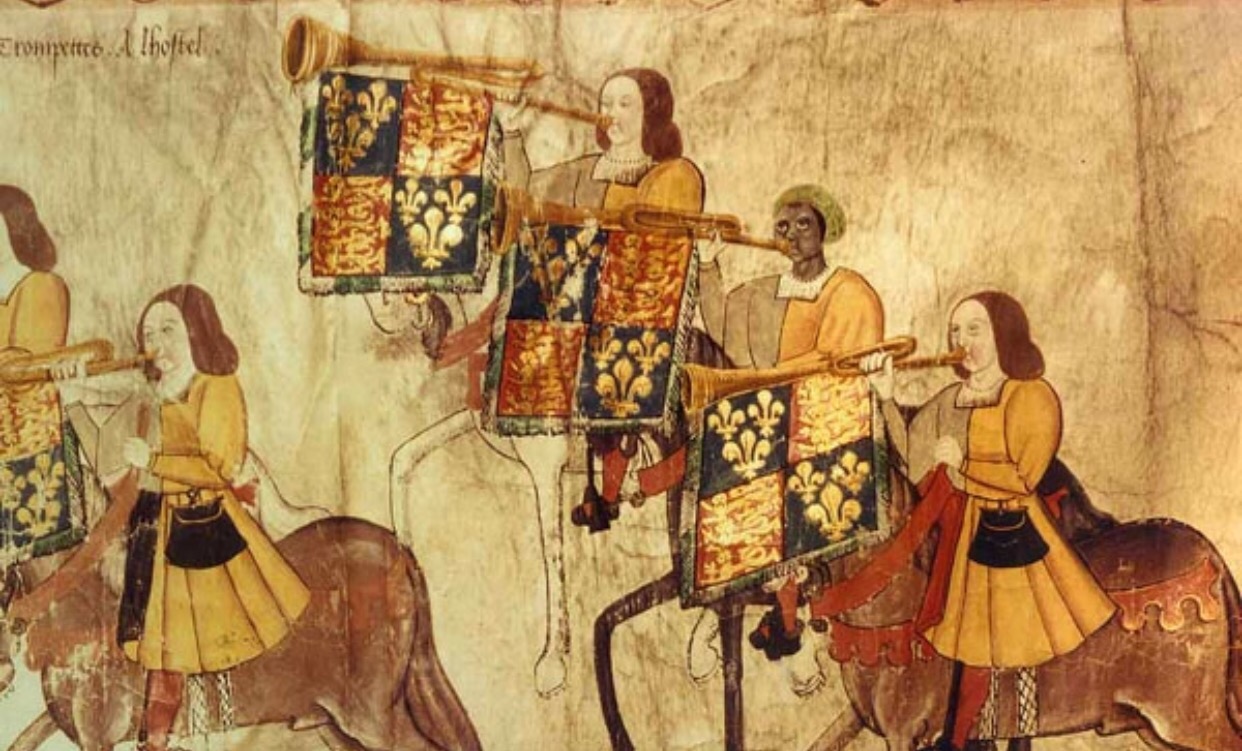
While the prevalence of Africans in Europe is well known, many accounts have been relegated to dusty footnotes, poorly documented, or lost entirely to history. John Blanke, musician, was more than likely brought to England as part of Catherine of Aragon’s retinue in 1501, and as such, is among the earliest recorded Africans in England during the time period.
Existing court records document his wages; 8d per day under Henry VII, as well as a document listing 20 shillings during November 1507.
The Westminster Tournament Roll, a 60 foot long manuscript commemorating the royal festivities celebrating the birth of Henry VIII’s son in 1511, depicts an African twice; it has been determined that this man, shown with trumpet in hand and wearing the royal arms, is John Blanke. Unfortunately, little else is known of Mr. Blanke, but his importance to history is tremendous.
Look him up!

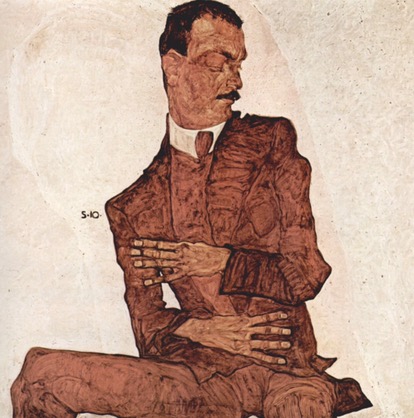
Portrait of Arthur Rössler, 1910.
 musings at random.