
Tagged: history
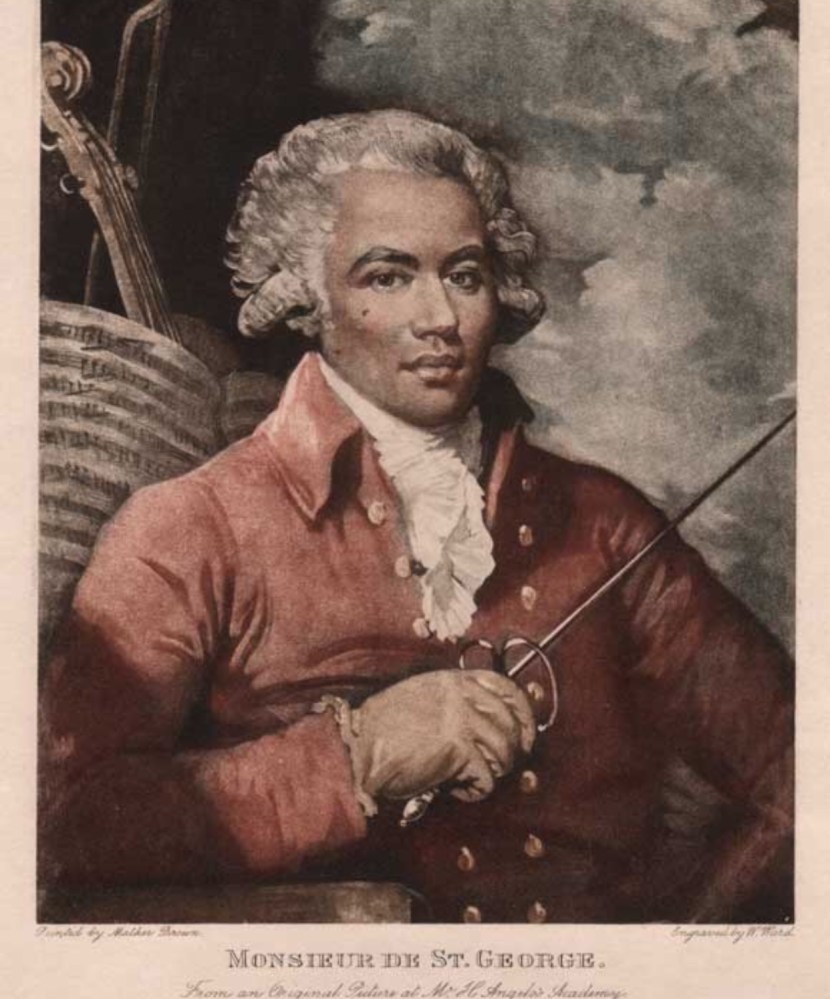
Men of Distinction – Joseph Boulogne, Chevalier de Saint-Georges (1745-1799).
Born in the Caribbean to a French plantation owner and an enslaved African woman, Boulogne was renowned for his swordsmanship and athleticism; he also gained considerable fame as a composer and violinist, often referred to as the ‘Black Mozart’ for his musical prowess. It was noted that he excelled at fencing as a youth, and was praised by his contemporaries for his skill and grace in masterfully defeating his peers. During that time, he studied under several prominent Parisian musicians, gaining notoriety for his compositions and abilities. As an aristocrat, he served in the army during the revolution, commanding a regiment of free black volunteers, and also led the ensemble of the Concert des Amateurs, in which he played violin.
Look him up!

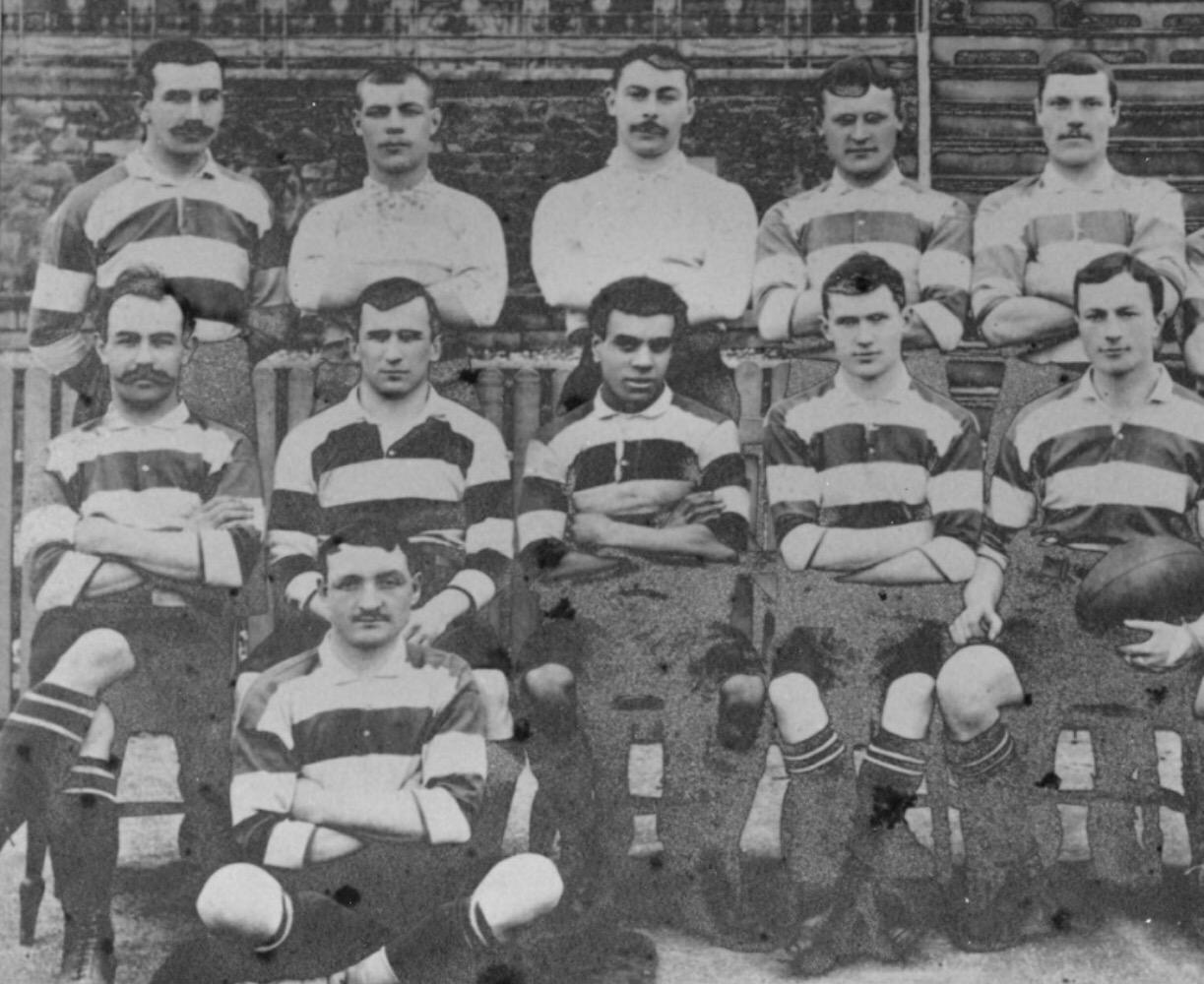
Men of Distinction – James Peters (1879-1954).
Managed to become the first black man to represent England in an international rugby match in 1906, but due to racial bias, was later withdrawn from national selection. Nicknamed “Darkie Peters”, the highly regarded athlete went on to represent his country several times between 1906 – 1908 (the South African national team refused to play against him), as well as serve out a lengthy and distinguished playing career in rugby league and union as a member of Plymouth Albion and Devon.
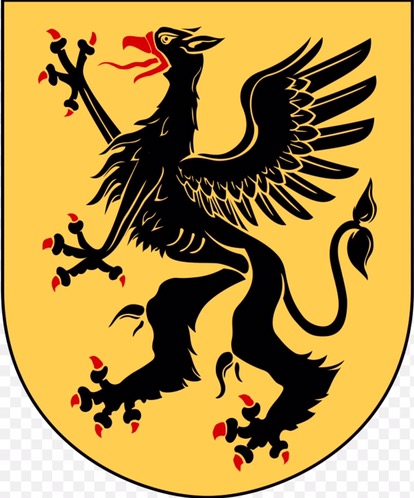
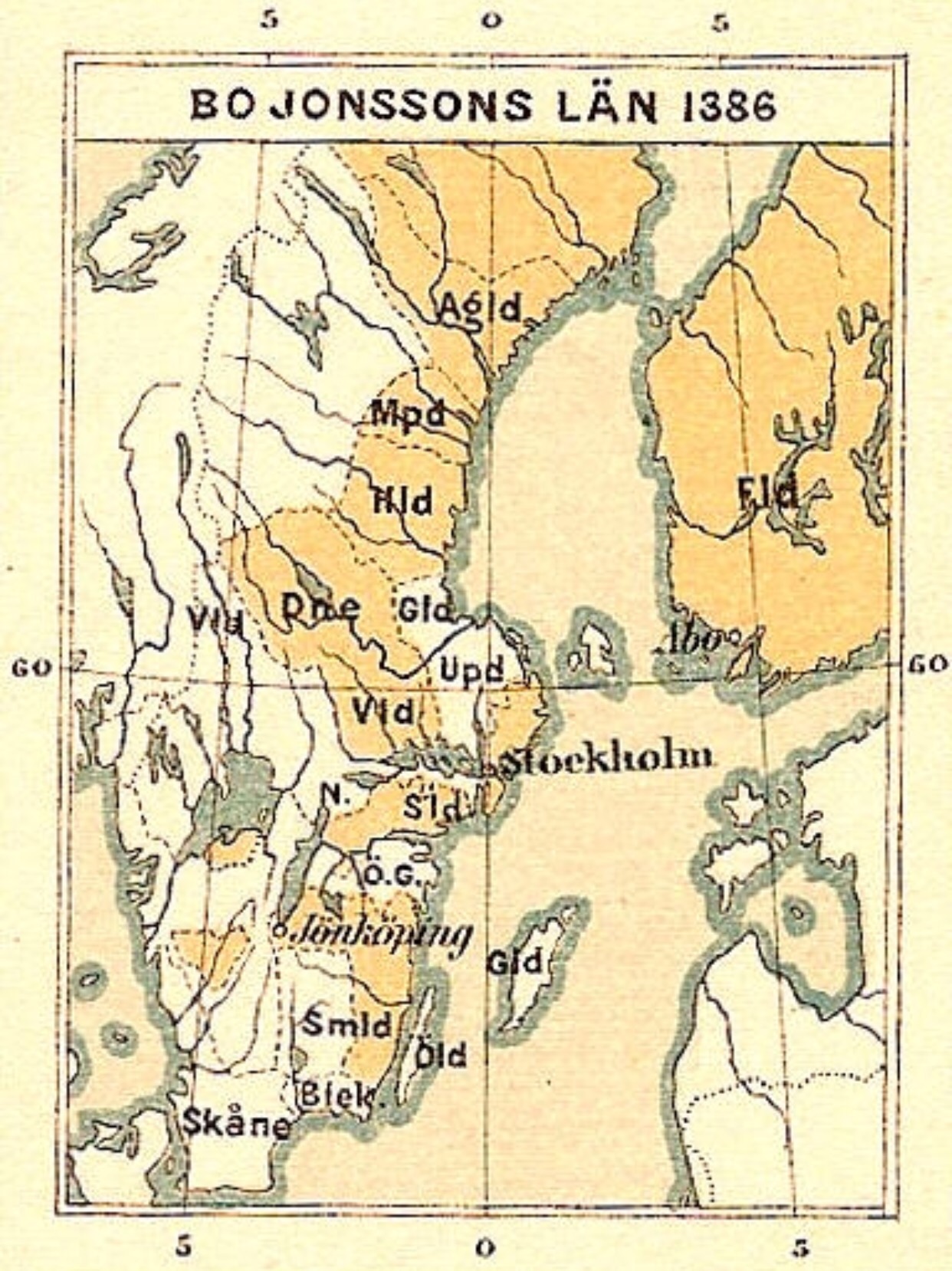
Men of Distinction – Bo Jonsson Grip (1330’s-1386).
There’s powerful, and then there’s Bo Jonsson Grip powerful. By any means necessary, Jonsson (Grip is Swedish for griffin), a Swedish noble, managed to nab the highest titles available (including ruler of Finland), was in possession of the largest landholdings in Swedish history (even more than the royal family), and served as the right hand man of the king. He exerted tremendous control over the politics of the day, and his influence over foreign and domestic matters was unparalleled; in addition, his wealth and position allowed for crucial input regarding royal matters and matters of succession. It is even said that he got away with the murder of one of his second wife’s admirers due to his high status. Bo Jonsson…distinguished.


Look him up!

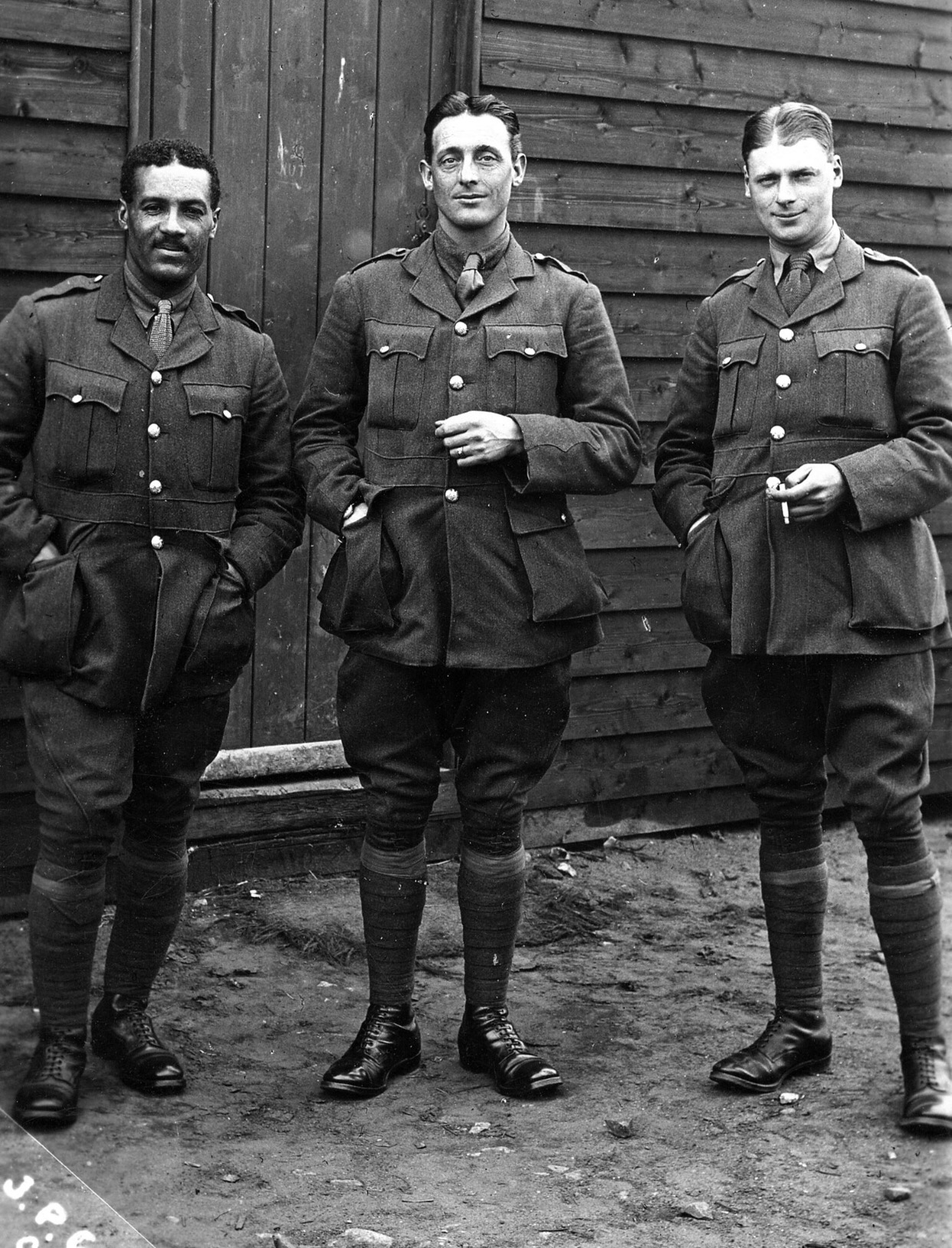
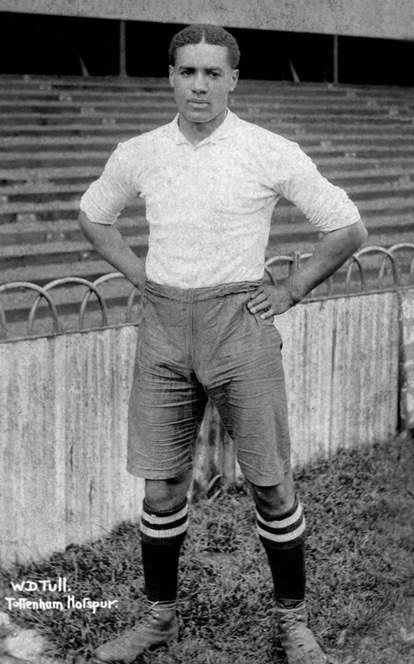
Men of Distinction – Walter Tull (1888-1918).
Born to a Barbadian carpenter and an Englishwoman, Tull was a renown professional soccer player (having played for Tottenham Hotspur and Northampton Town), and was the first black commissioned infantry officer in the British Army. Upon the death of his parents, young Tull was sent to an orphanage along with his brother, who interestingly enough, became Great Britain’s first black practicing dentist. Tull’s soccer career flourished, making many first team appearances for his clubs before he enlisted in the infantry at the outbreak of World War I.
Tull distinguished himself on the battlefield, and was commissioned as Second Lieutenant in 1917, despite the British Army forbidding persons of color to hold such rank. He fought in 6 major engagements, was noted for gallantry, and was recommended for a Military Cross. Tull was killed in France in 1918, just 8 months before the war’s end.

Look him up!

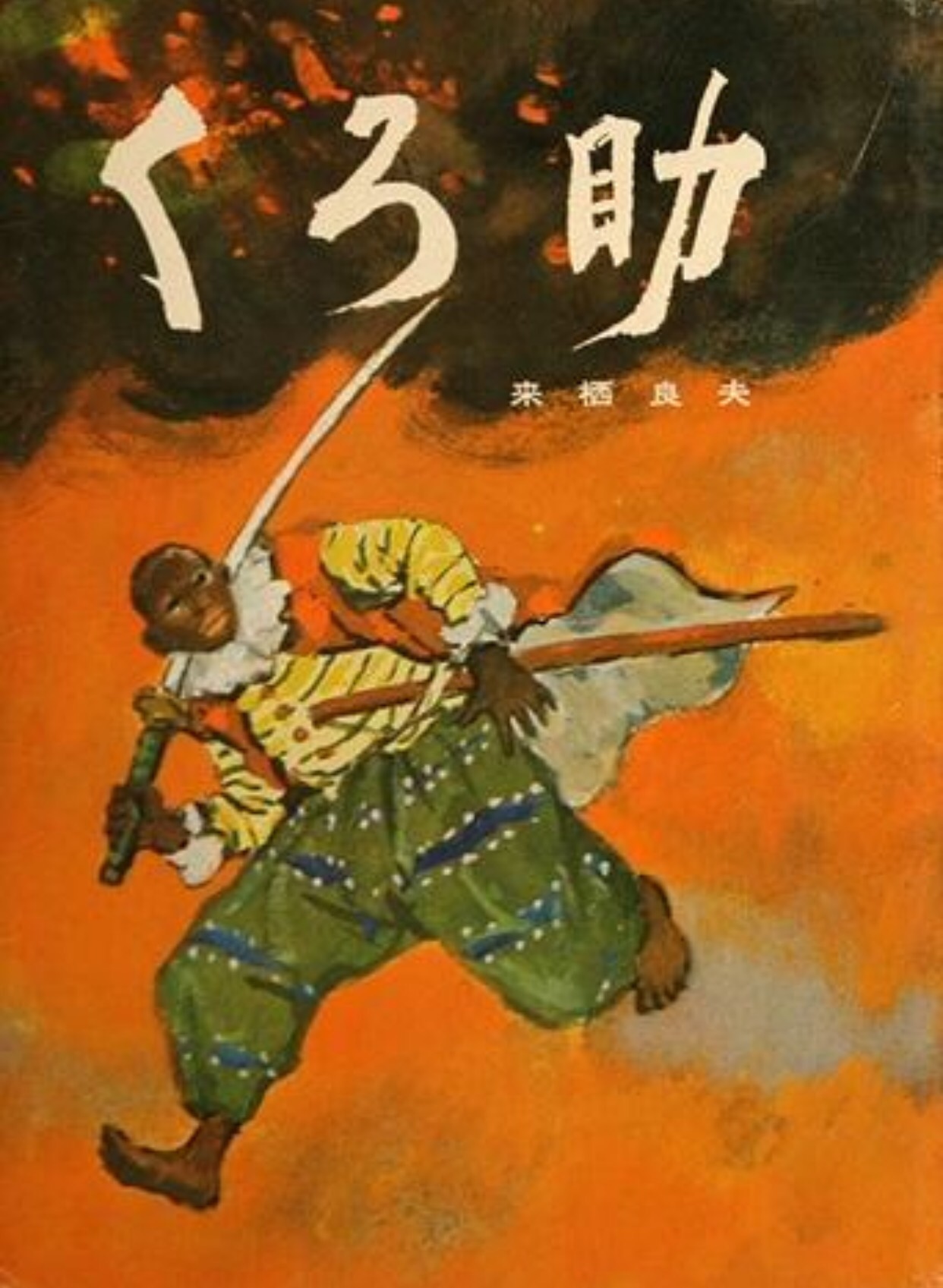
Men of Distinction – Yasuke (c. 1556 – ?).
Recognized as the first foreign samurai, Yasuke was an African slave that arrived in Japan in 1579 with Jesuit missionary Alessandro Valignano. As Valignano’s servant, he was present when Valignano visited the capital in 1581; contemporary accounts record the initial meeting with Lord Oda Nobunaga, who met the foreigner with fascination and intrigue, and was the first African that any had seen. “On the 23rd of the 2nd month [March 23, 1581], a black page (黒坊主 “kuro-bōzu”) came from the Christian countries. He looked about 26 or 27 years old; his entire body was black like that of an ox. The man was healthy and good-looking. Moreover, his strength was greater than that of 10 men.” It is said that Nobunaga had the man wipe his skin, thinking that the black may have been paint. Yasuke gained favor and entered the service of Lord Nobunaga, where he was elevated to the rank of samurai, and later fought alongside Nobunaga’s forces against the invading forces of Akechi Mitsuhide. After Nobunaga’s defeat, he was given back to the Jesuits, where he disappeared from record.
History is now – look him up!

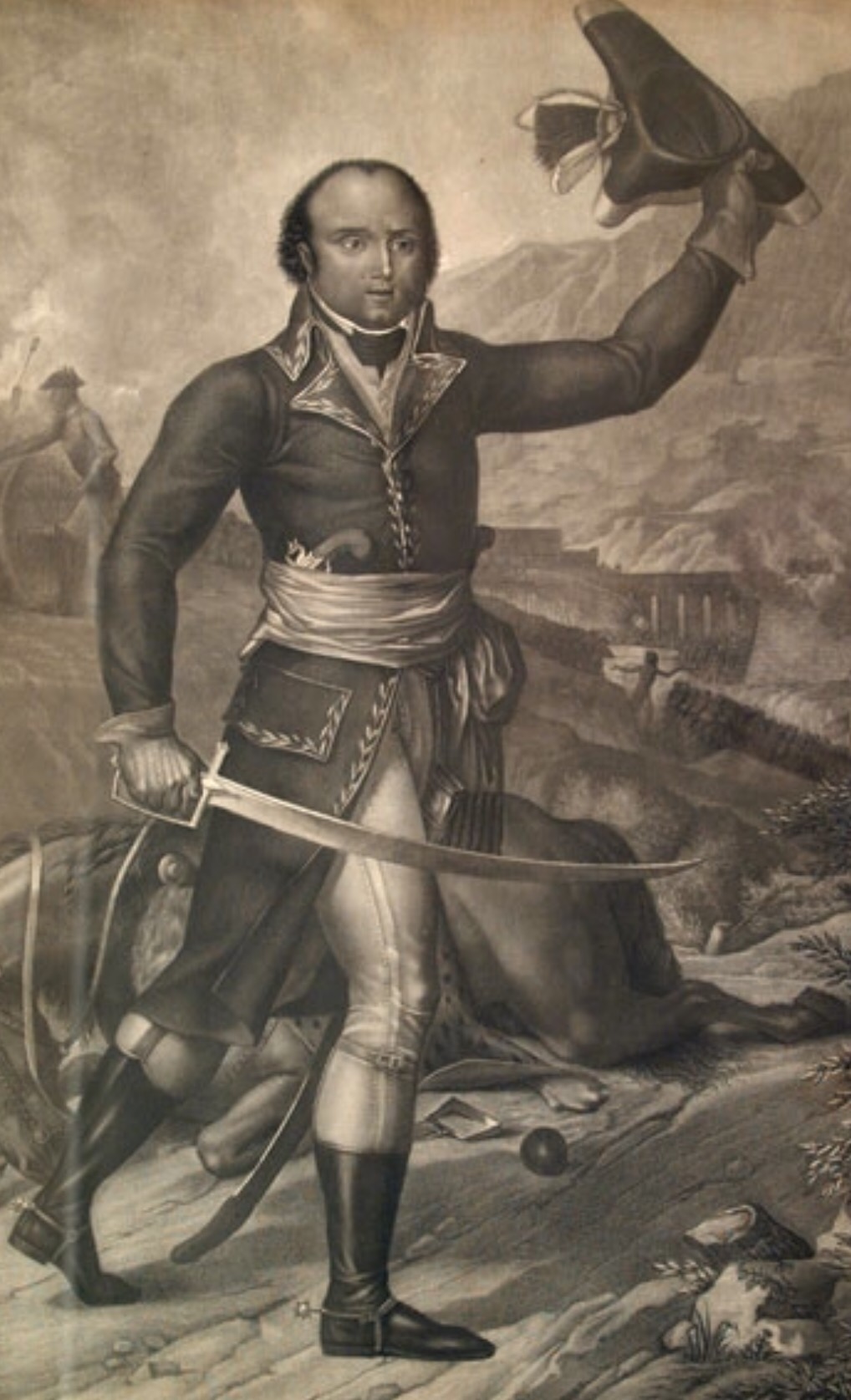
Men of Distinction – Thomas-Alexandre Dumas (1762 – 1806).
Vitals – Born in Saint-Dominique (Haiti), the son of a white nobleman, Alexandre Antoine Davy de la Pailleterie, and an enslaved African, Marie-Cessette Dumas. -Educated in France, and entered the French military.
-Rose the ranks from private to General in Chief by age 31, commanding 53,000.
-Earned renown in numerous wars and battles, earning the nickname ‘The Black Devil’ from his Austrian adversaries for his dogged tenacity on the battlefield.
– Father of Alexandre Dumas, legendary author of The Three Musketeers, The Count of Monte Cristo, and other notable works.
Elevated to the rank of Division General in the French army, becoming the highest ranking man of African origin in a European military structure. Among his many firsts, was the first black man to reach the rank of brigadier general, divisional general, as well as General-in-chief in the French army.

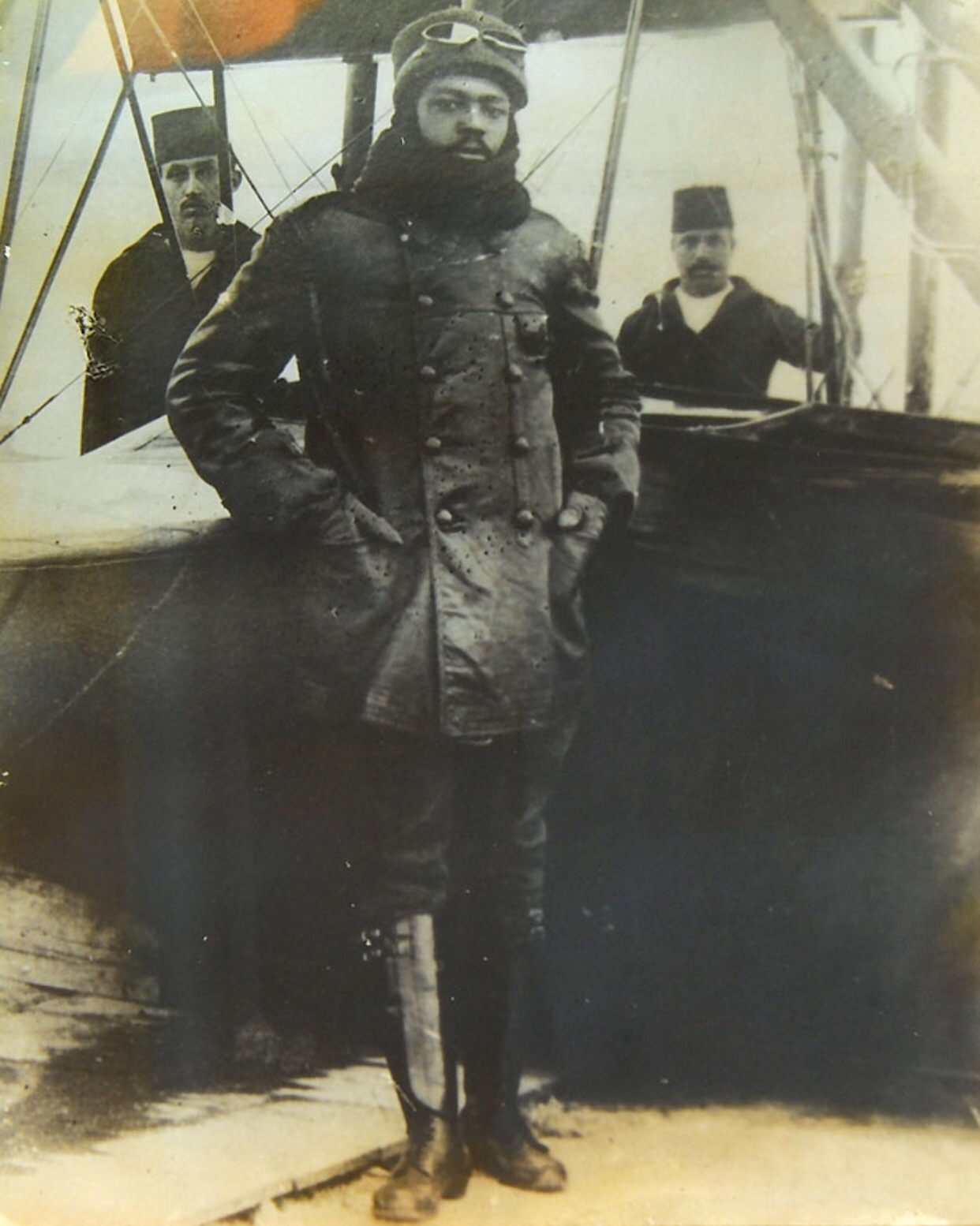
Men of Distinction – Ahmet Ali Celikten (1883 – 1969)
Credited as history’s first black pilot, having earned his wings for the Ottoman Empire during WWI. Born in Turkey in 1883, he rose to the rank of captain and served in the Ottoman Air Force until the end of the war. He is considered the first black pilot (Arab African origin), having earned his wings in 1914-1915; as such, he narrowly edged the first African American pilot, Eugene Bullard, by a slim margin. Both were among the few blacks who saw air service in the war.

5-9-16
“Once more unto the breach,dear friends, once more”-
legendary words that
Shakespeare so eloquently
envisioned as English King Henry V
gallantly spurred
his loyal and depleted few to victory over the
numerically superior French forces,
a powerful army that was overwhelmingly
predicted to crush Henry and his
men-
“Once more unto the breach”,
he cried when defeat seemed certain,
and under the unwavering bravery of
those rallying words,
his troops sallied forth courageously into
the swell of the enemy, and vanquished them
from the field wholly and victoriously.
Shakespeare at his finest…
history at its most endearing.
Once more unto the breach,
we should remind ourselves as we
venture out into the swell of
life’s intangibles,
against its unknown numbers,
innumerable odds
and challenges that, on paper,
would annihilate us-
once more unto the breach,
as we throw our hats gallantly into the
mix and swim out against the current
for another shot, another chance, and
another opportunity,
despite the odds,
despite the challenges,
eager to face its unknown numbers,
and eager to cry out ferociously into the
face of opposition-
ready to march forward once more,
ferociously brave in pursuit of any and
every dream that we could possibly
conceive.
Defeat sometimes seems certain..
victory often seems dim,
until we remember that one more
charge into the fray may mean the
difference between failure and success,
the beginning and the end
if we’re willing to rally forward into the
surge of the current, no matter the odds,
and claim what lands we choose to
conquer.
Shakespeare at his finest,
history at its most triumphant,
bravery at its most resounding*
-G. Boston
 musings at random.